
Introduction
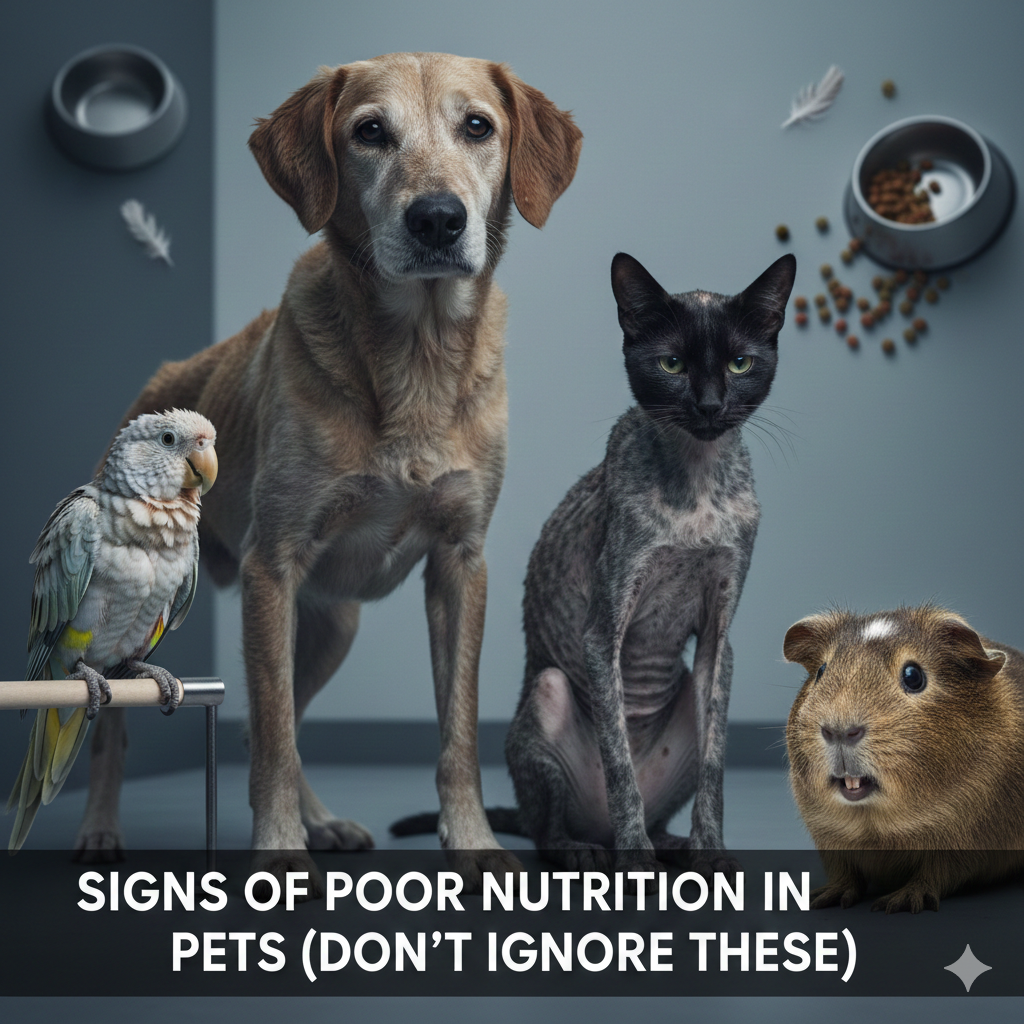
Signs of poor nutrition in pets include dull coat, digestive issues, low energy, unexplained weight changes,
Signs of poor nutrition in pets include dull coat, digestive issues, low energy, unexplained weight changes, and frequent minor illnesses. These signs often appear gradually and are commonly mistaken for normal aging or personality traits.
Poor nutrition doesn’t always mean low-quality food. Often, it’s caused by imbalance, overfeeding, inconsistent routines, or frequent food switching. This guide explains how to recognize nutrition-related warning signs early, what they indicate inside the body, and how to correct diet issues safely—before they become long-term health problems.
and frequent minor illnesses. These signs often appear gradually and are commonly mistaken for normal aging or personality traits.
Poor nutrition doesn’t always mean low-quality food. In many cases, it’s caused by imbalance, overfeeding, inconsistent routines, or frequent food switching. This guide explains how to recognize nutrition-related warning signs early, what they actually indicate inside the body, and how to fix diet issues safely—before they turn into long-term health problems.
Why Nutrition Problems Are Often Missed signs of poor nutrition in pets
Nutrition-related issues develop slowly.
They’re missed because:
Changes happen gradually
Pets adapt quietly
Owners normalize symptoms
Focus stays on food labels, not outcomes
From real feeding situations, most nutrition problems are recognized months later than they should be.
[Pro-Tip]
If something feels “slightly off” for weeks, it usually is.
Sign 1: Dull Coat and Poor Skin Condition
What Owners See
Dry, flaky skin
Dull or brittle fur
Excessive shedding
What It Often Means
Fat imbalance
Poor nutrient absorption
Over-processed or unsuitable food
| Coat Change | Possible Cause |
| Dry & flaky | Fat deficiency |
| Greasy coat | Imbalanced fat |
| Excess shedding | Poor digestion |
Internal linking suggestion:
Link to Best Diet for Pets: What Actually Matters
Anchor: “balanced nutrition basics”
Sign 2: Digestive Problems That Don’t Fully Resolve
Common Symptoms
Soft stools
Gas or bloating
Frequent stomach upset
Occasional issues are normal. Persistent issues are not.
SERP Gap Identified:
Many articles treat digestive issues as food allergies only, ignoring portion size, timing, and switching frequency.
Sign 3: Low Energy or Sudden Lethargy
What It Looks Like
Less interest in play
Shorter activity tolerance
Increased sleeping
What It Can Indicate
Calorie imbalance
Poor-quality energy sources
Inconsistent feeding routine
[Expert Warning]
Low energy is not always “laziness”—it’s often under- or over-fueling.
Sign 4: Unexplained Weight Changes
| Change | Often Caused By |
| Gradual weight gain | Overfeeding, treats |
| Weight loss | Poor absorption |
| Fluctuations | Inconsistent routine |
Internal linking suggestion:
Link to How Much Should You Feed Your Pet?
Anchor: “proper portion sizing”
Sign 5: Frequent Minor Illnesses
If your pet:
Gets sick often
Takes longer to recover
Has recurring ear or skin issues
Nutrition may be weakening immune support.
Information Gain:
Poor nutrition doesn’t always cause disease—but it lowers resilience, making small issues recur more often.
Sign 6: Behavior and Mood Changes
Nutrition affects behavior more than most owners realize.
Examples:
Irritability
Restlessness
Food obsession
Reduced focus
Internal linking suggestion:
Link to Common Pet Health Mistakes Owners Make
Anchor: “nutrition-related health errors”
Common Nutrition Mistakes Behind These Signs
Mistake 1: Overfeeding “Good” Food
Quality doesn’t cancel excess.
Mistake 2: Switching Foods Too Often
Destabilizes digestion.
Mistake 3: Ignoring Treat Calories
Treats silently distort balance.
[Money-Saving Recommendation]
Fixing portions and routine often solves issues without changing food brands.
Information Gain: Nutrition Problems Are Often Routine Problems
Most SERP content blames food quality.
From real households:
Same food + better routine = improvement
Fewer changes = better digestion
Measured portions = stable weight
Food works best when routine supports it.
UNIQUE SECTION: Beginner Mistake Most Owners Make
Mistake: Waiting for visible illness.
Owners often wait for:
Vomiting
Severe weight change
Obvious pain
Nutrition issues usually show subtle signals first—coat, energy, digestion, mood.
How to Correct Nutrition Issues Safely
Stop unnecessary food switching
Measure portions accurately
Set consistent feeding times
Reduce treat intake
Observe changes for 3–4 weeks
| Improvement Sign | What It Means |
| Firmer stools | Better digestion |
| Improved coat | Balanced nutrients |
| Stable energy | Proper fueling |
| Weight stability | Portion accuracy |
FAQs
What is the most common sign of poor nutrition in pets?
Digestive issues and dull coat are most common.
Can pets be malnourished while eating enough food?
Yes. Imbalance matters more than quantity.
Are behavior changes linked to nutrition?
Often yes—nutrition affects energy and mood.
How long does it take to see improvement?
Usually 3–6 weeks with consistent correction.
Should I change food immediately?
Not always. Fix routine and portions first.
When should I see a vet?
If signs persist or worsen despite adjustments.
Conclusion:
Signs of poor nutrition in pets don’t appear overnight—and they don’t always come from bad food. More often, they come from imbalance, inconsistency, or overfeeding. By observing digestion, energy, coat condition, and behavior, owners can catch nutrition issues early and correct them gently. The goal isn’t perfection—it’s stability, balance, and awareness.
Internal link
How Much Should You Feed Your Pet?
External link
https://quartzmountainanimalhospital.com/


